

Drip Coffee - Choosing the Right Grind Size and Filter Type
Drip coffee is a popular method to start the day thanks to its caffeine content. It also has health benefits such as temporary energy boosts, and a reduced risk of developing diseases.
Drip coffee machines were designed to meet SCA standards. They heat water to a specific temperature and then brew it for a certain amount of time. Other factors can impact the taste and quality of the coffee you drip-brew.
Grind size
The grind size of the drip coffee bean is essential to the process of brewing coffee. It determines the speed at which the water is able to extract flavor from the grounds. This impacts the coffee's aroma and taste as well as the caffeine content. The ideal grind size depends on several factors, including the filter type and the brewing method. The ideal size of grind will also be determined by the desired acidity and flavor profile of the coffee.
A medium grind is thought to be the most suitable consistency for drip brewing. It creates a balanced cup. This consistency is similar to the texture of coarse sand or granulated sugar, and is suitable for both flat-bottom and cone-shaped filters. filter coffee machine uk might be more suitable for pour-over methods, or other types drip brews like Turkish coffee, or espresso.
The exact measurement of the size of the grind of the coffee bean is challenging because it contains so many particles, and each has different sizes and shapes. However, most grinders will offer a variety of sizes of grind that can be used to different brewing methods. Using the correct grind size will ensure that your coffee has the right consistency and is free of impurities.
The ideal size of grind for each method of brewing is determined by a number of factors. These include the filter type employed and the amount of time the ground beans have been in contact with the water. For instance, if want to make the latte or cappuccino, it's best to choose a finer grind, as it allows the water to pass through the coffee more quickly and evenly. A coarser grind is typically preferred for methods like French press and cold brew. These methods involve allowing the coffee grounds to remain in the water for longer periods of time.
Understanding the relationship between grind size and extraction is vital for a successful cup drip coffee. A proper grind size can help you avoid unpleasant and bitter flavors that can result from underor over extraction. Try different settings on your grinder until you find the right grind size for your brewing method.
Filter type
There are many coffee filters on the market. This gives you different coffee flavors. However, they all function essentially the same way. They collect the grounds and only allow water to flow through. This is the process of filtration that creates the distinctive taste. If you aren't satisfied with the flavor of your coffee, it could be due to a dirty filter. A simple cleaning can help to eliminate the problem. If you're not happy with the result You can try a different method of brewing.
Paper filters are the most popular type of coffee filter. filter coffee machine uk are available in a range of sizes and can be used with all devices. There are bleached and nonbleached filters which undergo a chemical treatment to remove their color, while the latter keeping their natural brown hue. Bleached filters can also have an underlying taste of paper, so if you are seeking a balanced cup of coffee, you might want to consider using unbleached filters.
Metal filters are another option. They are made of steel or other metals and feature a rectangular base that is enclosed by a cone-shaped bottom. They can be found in a variety of sizes and are compatible with most drip brewers. They can leave a metallic taste in the coffee, and are difficult to clean. They are usually an investment for one time, but can be reused if they are properly cleaned and regularly.
Cloth coffee filters are available and work with most drip brewers. They are made of linen, cotton, or silk and can be found in a variety of shapes. They can be reused since they can be washed using a cold cycle and hang dry. Some people have found that the filter's cloth has a slight taste, but you can lessen this by washing the filter prior to using.
Coffee is a caffeinated drink that has been proven in studies to lower depression and boost energy levels. However, over-consumption of caffeine can trigger headaches and stomach upset It is therefore important to drink in moderate amounts. Making the right choice in brewing method and filter type can ensure that your drip coffee is smooth and balanced.
Water temperature
Drip coffee is made by pouring hot coffee over coffee beans that have been ground. The water seeps into the beans and extracts the oils and flavors before going through a filtration system and into the cup. Home brewers make use of it because of its efficiency and cost effectiveness. Some say that drip coffee doesn't provide the same flavor and complexity as a fully-roasted beans.
The temperature of the water is essential when brewing drip coffee, since it determines the rate at when caffeine or other substances are extracted. If the water is too hot, it can cause over-extraction and bitterness, while colder water can cause under-extraction, resulting in weak brewing. Using the optimal water temperature for drip coffee will ensure that all flavors and aromas are effectively extracted, creating delicious and delicious beverages.
The temperature of the water can affect the sweetness and the balance of coffee. The ideal water temperature for drip coffee is between 195 and 205 degrees Fahrenheit that allows for a an adequate extraction without over-extraction. The ideal temperature for water is dependent on the kind of coffee beans used and the roast level. Roasts with darker hues require more water temperature to extract more flavor, while lighter roasts can benefit from a cooler temperature.
Understanding the effect of temperature on the nutrient content of both coffee and water is vital to maximize the health benefits of these beverages. Different temperatures have different effects on the absorption of nutrients into the body. The temperature of coffee and water can also affect the way they are perceived by the consumer. Therefore, it's crucial that people learn the impact of water and coffee temperature on the sensory evaluation of a drink and how to avoid making faulty assumptions about a beverage's taste.
Brewing time
Drip coffee is a popular brewing technique that uses gravity to extract delicious beans. The water temperature and the brew time are two of the factors that determine the quality of the coffee. The ideal proportion of coffee to water, filter type and grind size can help you achieve the most effective results.
A medium grind size is the ideal size for drip coffee. This size permits optimal extraction, without over- or under-extraction of flavors. This can be accomplished using a coffee grinder, or a standard blender with short bursts. It is important to use fresh, filtered water to prevent mineral buildup in your machine.
The ideal drip coffee is between 5 and 8 minutes. This time of contact is crucial to extract the desired flavors aromas, flavors and caffeine content. It is crucial to experiment to find the perfect balance for you.
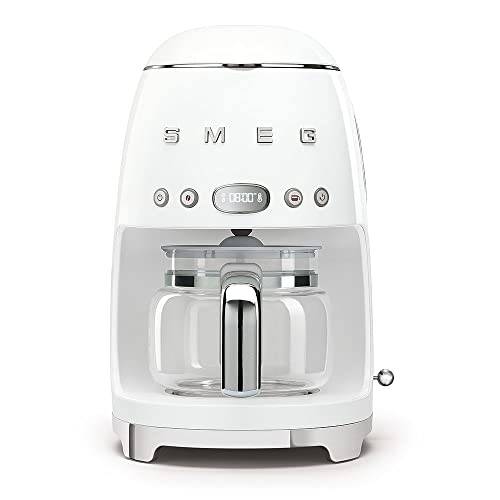
You should consider a model with features such as thermostatic settings that can be programmed and thermal carafes. You can find coffee makers in different cup sizes, to suit varying tastes. Additionally, it's a good idea to keep your coffee maker in good condition by regular cleaning and descaling to avoid mineral buildup.
When preparing small filter coffee machine , be sure to use a high-quality filter that can ensure even extraction. Filters are available in a variety of shapes and sizes. They can be cone-shaped or flat. Cone-shaped coffee filters are more effective at retaining soluble substances, resulting in a stronger and smoother flavor. You can also find reuseable filters that are compatible with most drip coffee machines.
The ideal temperature to brew drip coffee is between 195 and 205 degrees Fahrenheit. This temperature range is just right to achieve the perfect balance of hot enough to dissolve soluble solids and cold enough to avoid over-extraction. If you're making drip coffee in an automatic coffee machine, make sure the reservoir is filled with clean water, filtered and set the brew time to the recommended amount. Otherwise, you can manually brew drip coffee in a pot or a pitcher.